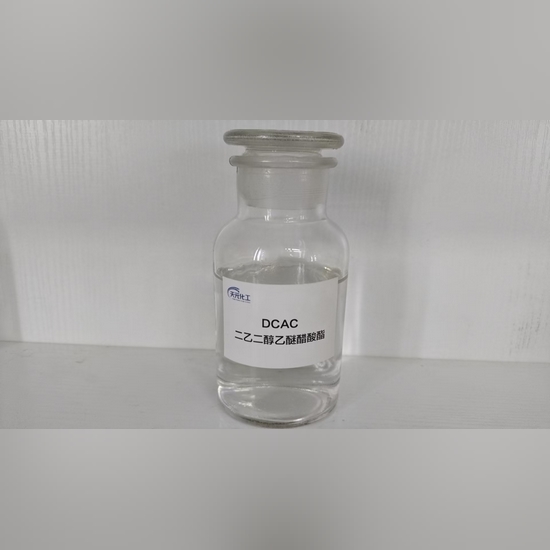


The molecular structure of ethylene glycol diacetate significantly influences its hydrolytic stability through the chemical properties of the ester group. A detailed analysis is provided below. Let's explore this with Zibo Tianyuan Chemical Co., Ltd.:
1. Chemical Properties of the Ester Group: The Core Driving Force of the Hydrolysis Reaction
The molecular formula of ethylene glycol diacetate is C₆H₁₀O₄, and its structure contains two ester groups (-COO-). Ester groups are functional groups formed by the esterification reaction of carboxylic acids and alcohols and possess the following key properties:
Polar bonds are easily cleaved: The C=O double bond and C-O single bond in the ester group are both polar bonds. In the presence of caustic alkalis (such as NaOH) or inorganic acids (such as H₂SO₄), these polar bonds are easily polarized and cleaved.
Hydrolysis Reaction Pathway:
Alkaline Hydrolysis: The ester group reacts with OH⁻ to form acetate and ethanol. This reaction is irreversible.
Acidic hydrolysis: The ester group is first protonated and then reacts with water to produce acetic acid and ethanol. The reaction is reversible, but the equilibrium favors hydrolysis.
2. Specific Effects of Molecular Structure on Hydrolysis Stability
Synergistic Effect of Diester Groups:
Both ester groups in the ethylene glycol diacetate molecule may participate in the hydrolysis reaction, but the actual reaction rate is affected by steric hindrance and electronic effects.
Steric hindrance: If the groups surrounding the ester group are large (such as the flexible structure of the ethylene glycol chain), they may hinder the access of water molecules or catalysts, reducing the hydrolysis rate.
Electronic Effect: The electron-withdrawing effect of the ester group increases the polarity of the C=O double bond, making it more susceptible to attack by nucleophiles (such as OH⁻), thereby accelerating hydrolysis.
Influence of the Solvent Environment:
Polar solvents (such as water): Water molecules directly participate in the hydrolysis reaction as reactants. The polar environment also stabilizes the reaction intermediates, promoting hydrolysis.
Non-polar solvents (such as hydrocarbons): Hydrolysis rarely occurs due to the lack of a polar environment to stabilize the intermediates.
3. Practical Considerations for Hydrolytic Stability
Storage Conditions:
Ethylene glycol diacetate must be stored in a strictly waterproof and sealed environment to avoid contact with moisture in the air or acidic/alkaline substances. The recommended storage temperature is below 40°C to slow the hydrolysis rate.
Suitable Applications:
Coatings/Ink Industry: Utilize its low volatility and good solubility, but be careful to avoid strong acidic/alkaline ingredients in the formulation to prevent hydrolysis and solvent degradation.
Pharmaceutical Industry: When used as a solvent, ensure a dry production environment to prevent hydrolysis products (acetic acid and ethanol) from affecting drug purity.
Hydrolysis Product Disposal:
If hydrolysis is unavoidable, the products should be separated by distillation or extraction. For example, after alkaline hydrolysis, the ethanol can be recovered through neutralization and distillation. The remaining solution contains acetate and can be further processed.
4. Molecular Structure Optimization
To improve hydrolytic stability, the molecular structure can be adjusted through the following methods:
Introducing side chains or aromatic groups: This increases steric hindrance, hindering water molecules from approaching the ester group.
Replacing with a more stable ester group: For example, replacing acetate with benzoate, utilizing the conjugated effect of the benzene ring to stabilize the ester group.
Copolymerization or blending modification: Copolymerization with other monomers to form a block or graft structure limits the hydrolytic activity of the ester group.
Contact us if you have any questions. We are happy to assist you!